
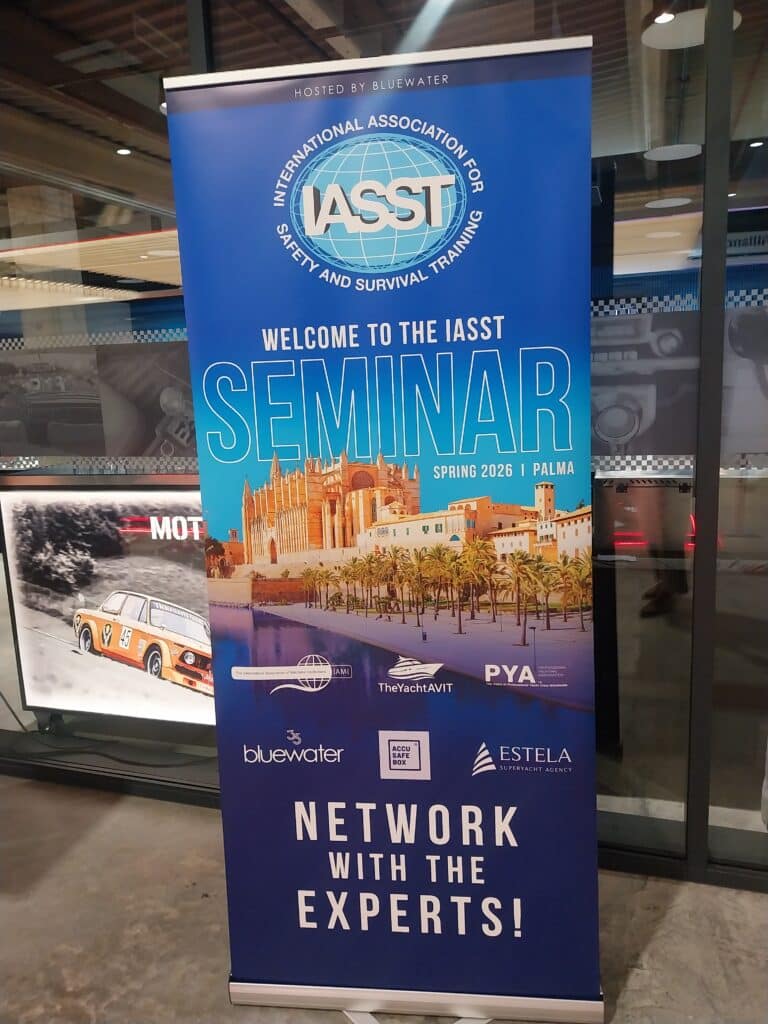
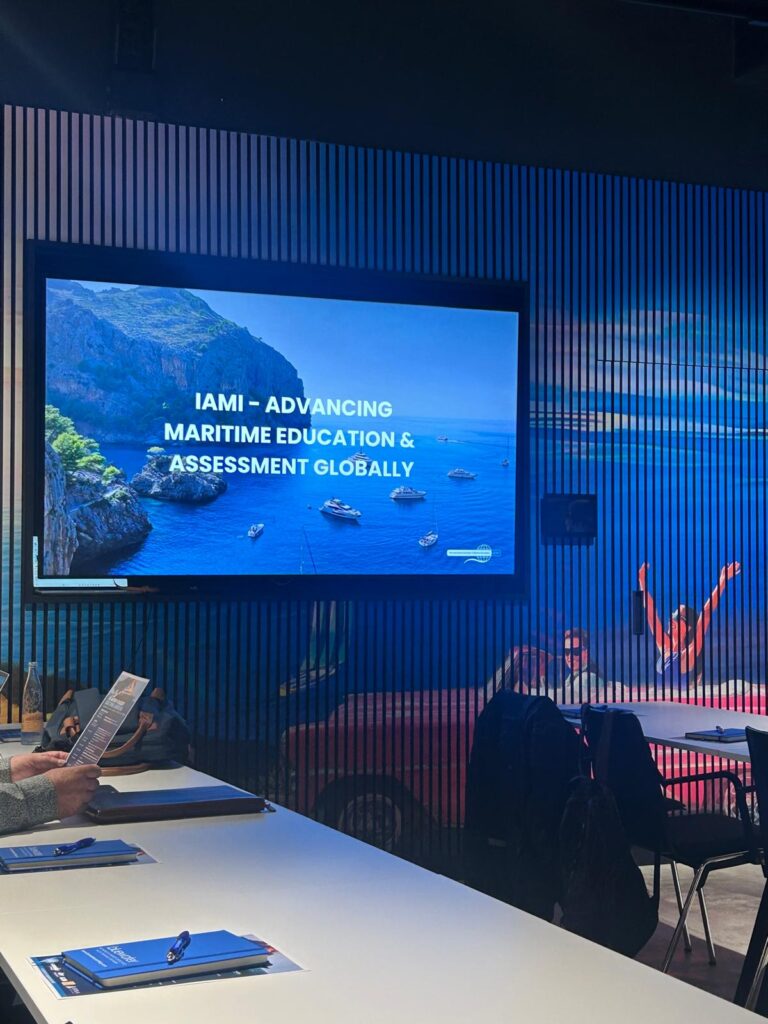
As a member of IASST, we had the opportunity to participate in the IASST 2026 Spring International Seminar, held from 26 to 30 April 2026 in Palma de Mallorca, Spain. The seminar brought together professionals from around the world with a shared goal of strengthening safety culture in the maritime and nautical industries, while exchanging the latest insights in training, education, and accident investigation.
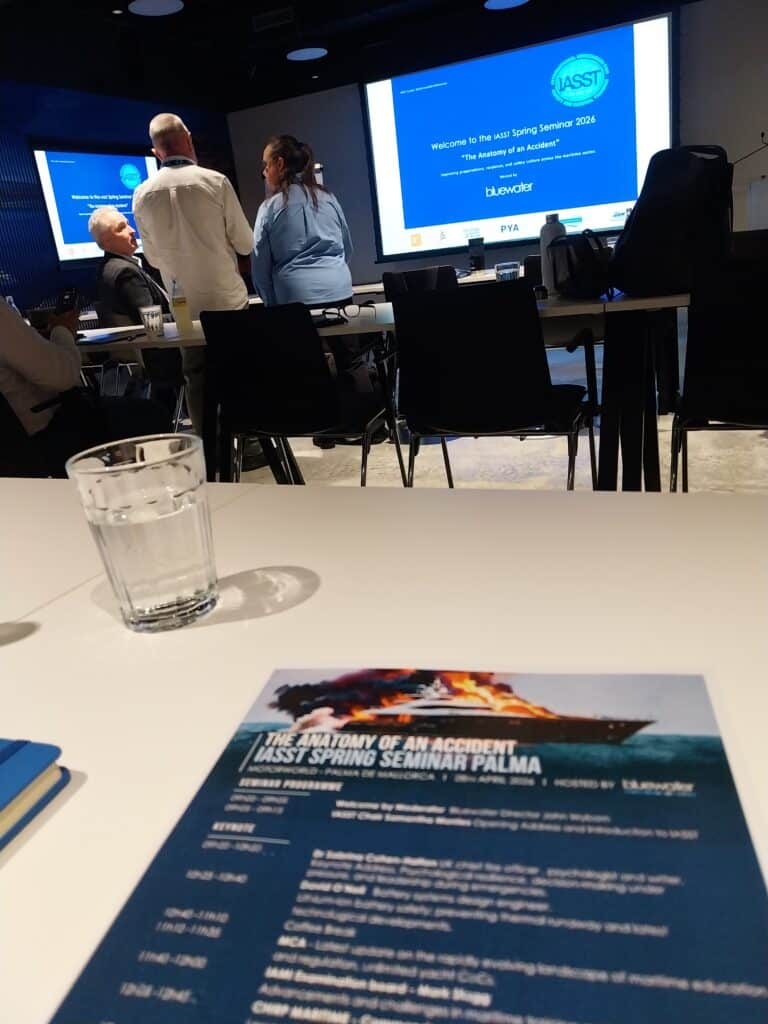
A particular highlight was the IASST Public Maritime Safety Seminar, held on Tuesday, 28 April. This open session gathered IASST members, invited speakers, and industry professionals under the theme “The Anatomy of an Accident”, encouraging a broad and open dialogue on safety challenges in modern maritime operations.
Exchange of Experience and Pre-Seminar Discussions
On the day prior to the official seminar, we had the opportunity to meet colleagues from various institutions and training centres. Discussions focused on the implementation of the IMO 2026 Amendments: New Focus on Harassment Prevention and Psychological Safety in STCW Training. A strong emphasis was also placed on emerging trends in instructor development and the preparation of trainers, who today must be fully equipped to respond to the complex demands of the modern maritime industry.
Key Lectures and Impressions
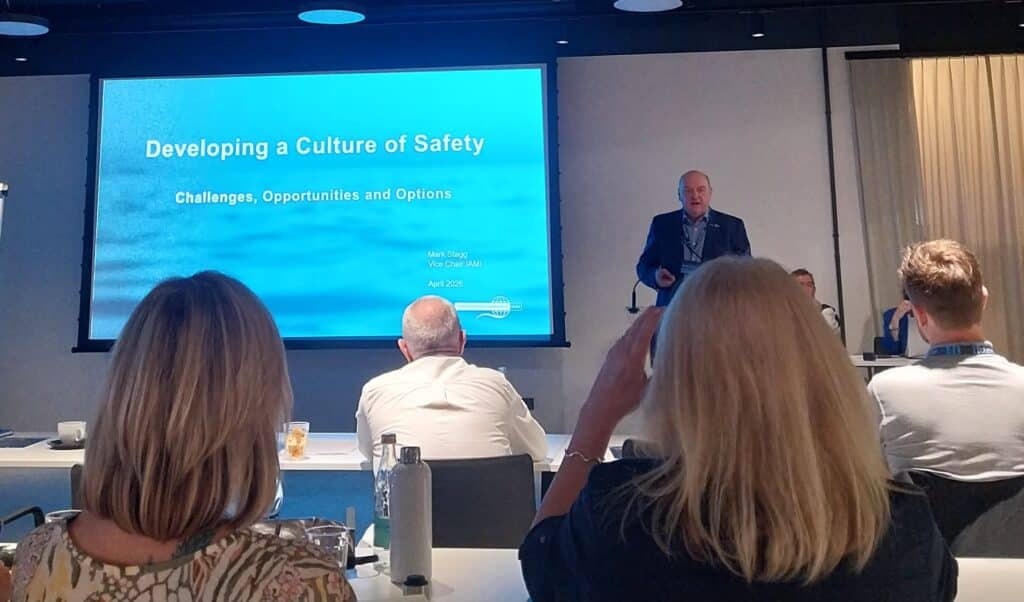
Throughout the seminar, we attended outstanding presentations delivered by internationally recognized experts.
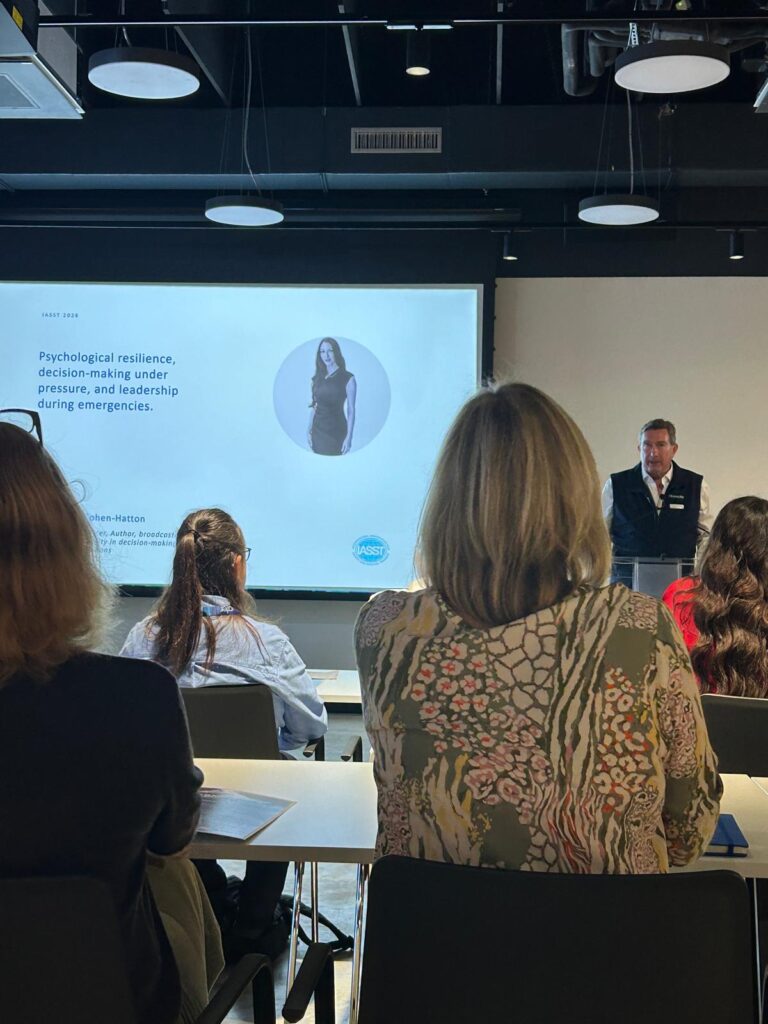
One of the most impactful opening sessions was delivered by Dr Sabrina Cohen-Hatton, an author, broadcaster, and leading expert in decision-making under high-stress conditions. Her presentation reinforced the importance of psychological readiness and structured decision-making for teams operating in extreme environments.
Significant insights into real-world accident causation were also provided by specialists from CHIRP Maritime. Through comparative analysis of historical and recent incidents. The key message was clear: continuous training is essential – not only in classrooms, but also onboard vessels through realistic drills and operational scenarios. A particularly important discussion addressed the balance between investment in technology and investment in people. The conclusion was unequivocal: safety is not defined solely by equipment, but by knowledge, training, and crew responsibility.
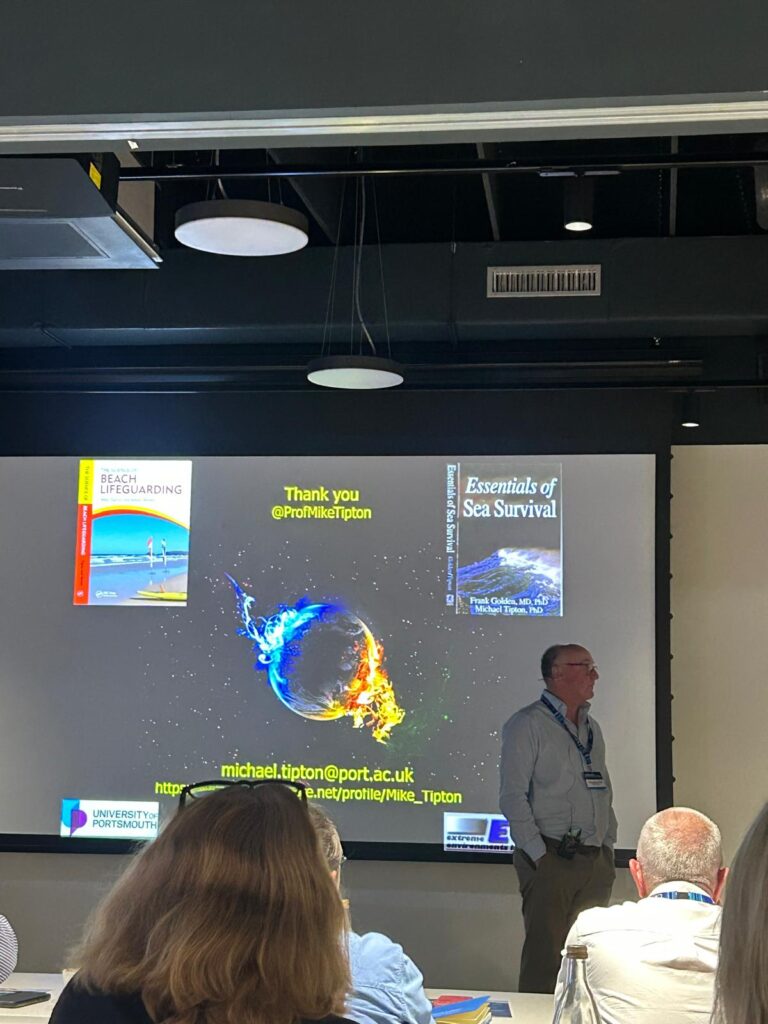
An engaging and highly practical lecture was delivered by Mike Tipton on “Essentials of Sea Survival” within the yachting sector, focusing on operational risks and crew preparedness in real maritime conditions.
Additional insights were shared by the Maritime Institute Willem Barentsz (Netherlands), addressing polar region training, alongside the growing challenges associated with yachting trends, technological development, and access to sensitive and high-risk areas.
A shared conclusion among all participants was that ultimate responsibility always rests with people – well-trained and well-prepared crews. Every training session, procedure, and correct response at the right moment can determine the outcome between safety and an incident. A particularly powerful message was illustrated through a simple analogy:
“If minimum standards are perceived as “good enough”, it is comparable to boarding an aircraft where the pilot greets passengers by stating that the crew operates only to minimum standards” – an approach that naturally raises concerns about safety perception and trust.
Additional Programme and Closing Activities
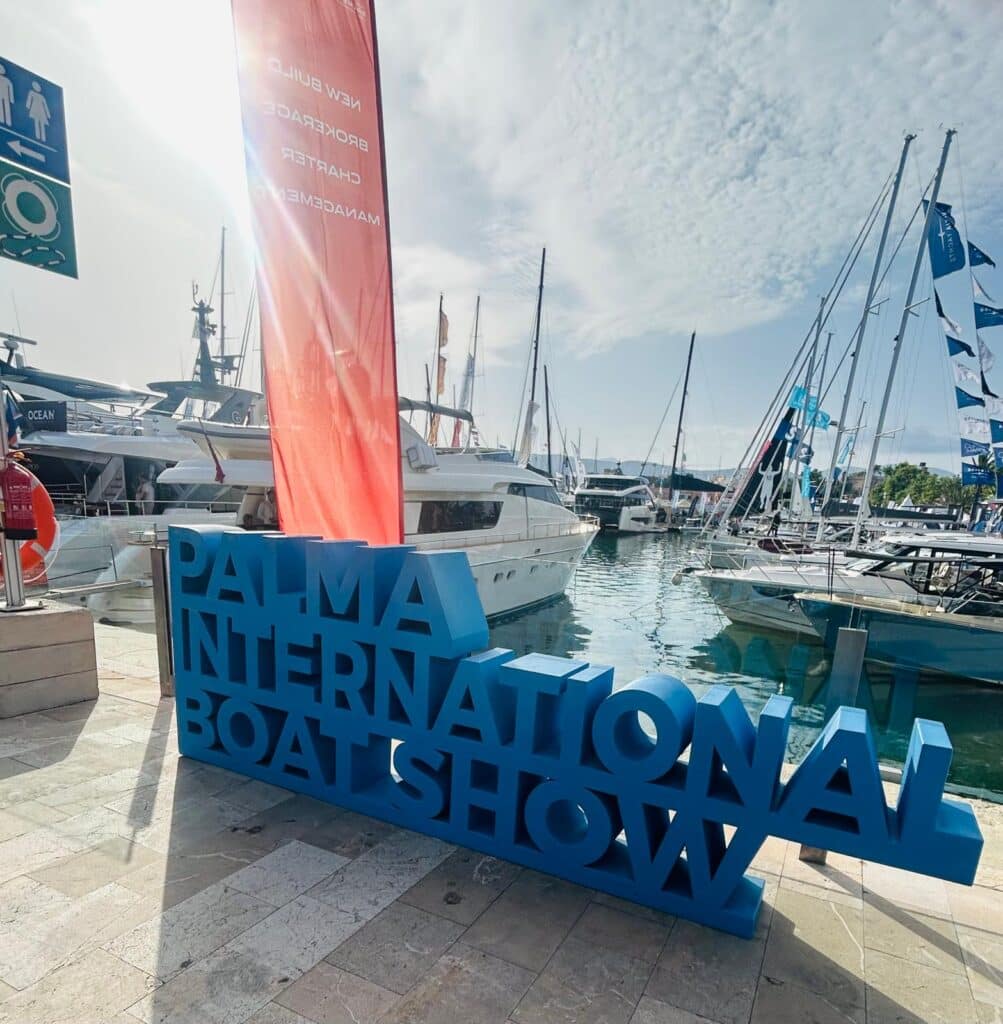
On the final day, we also visited the Palma de Mallorca Yacht Show, which showcased an impressive range of vessels within the superyacht sector, further highlighting the continuous growth and dynamism of the nautical industry.
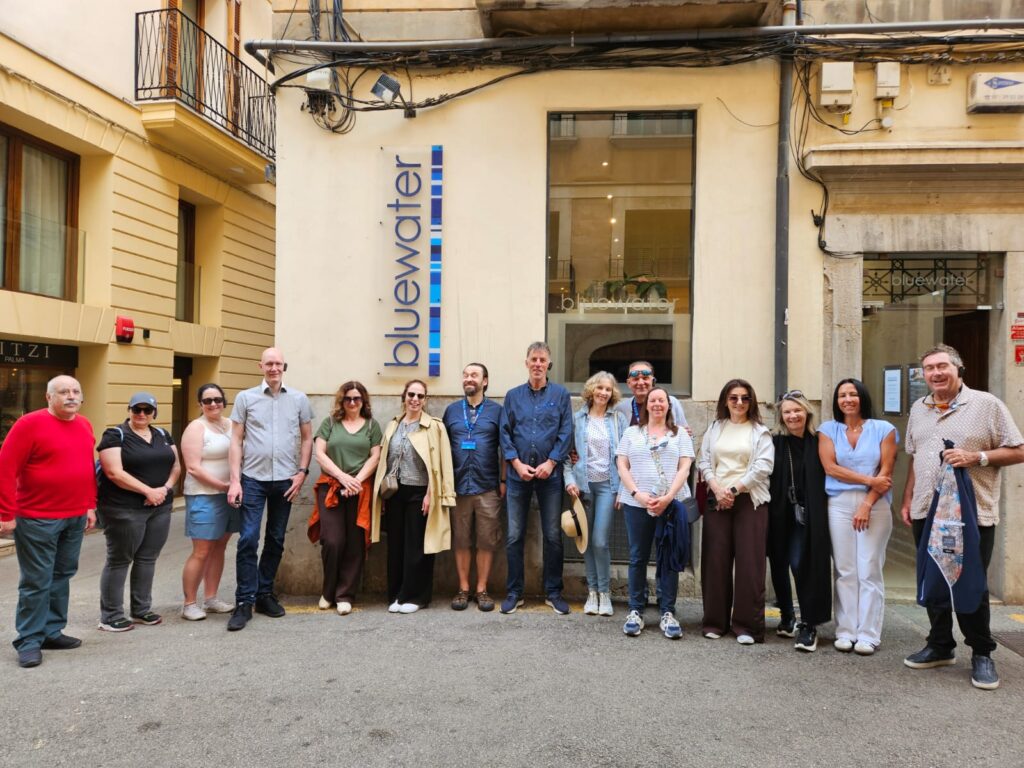
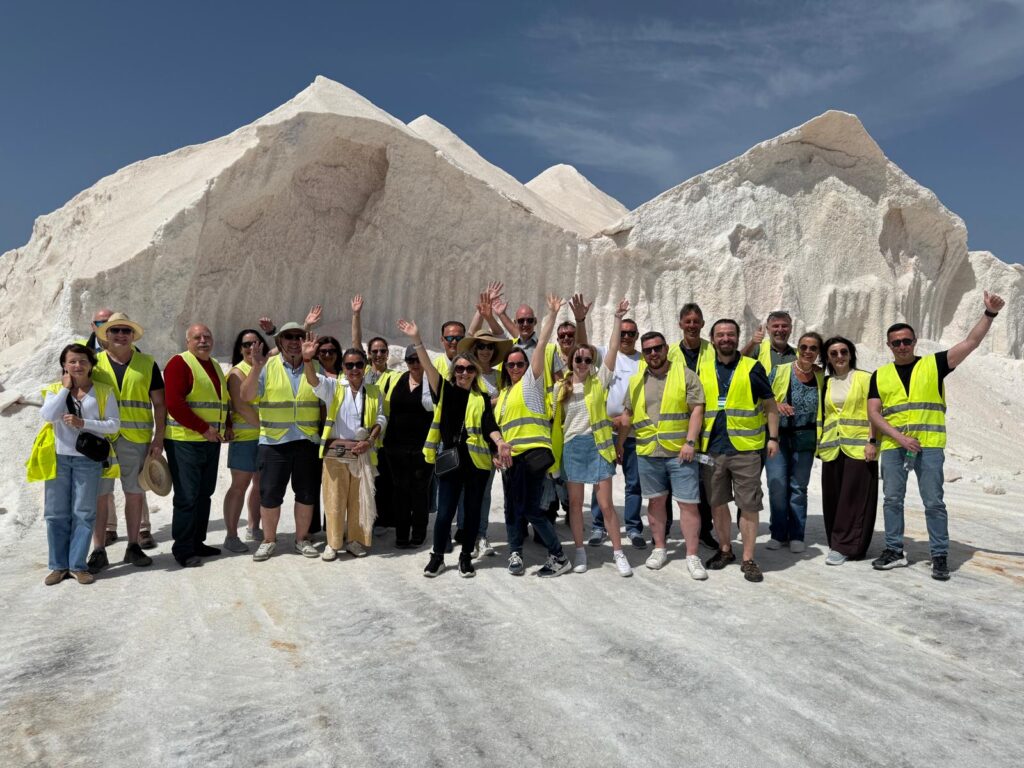
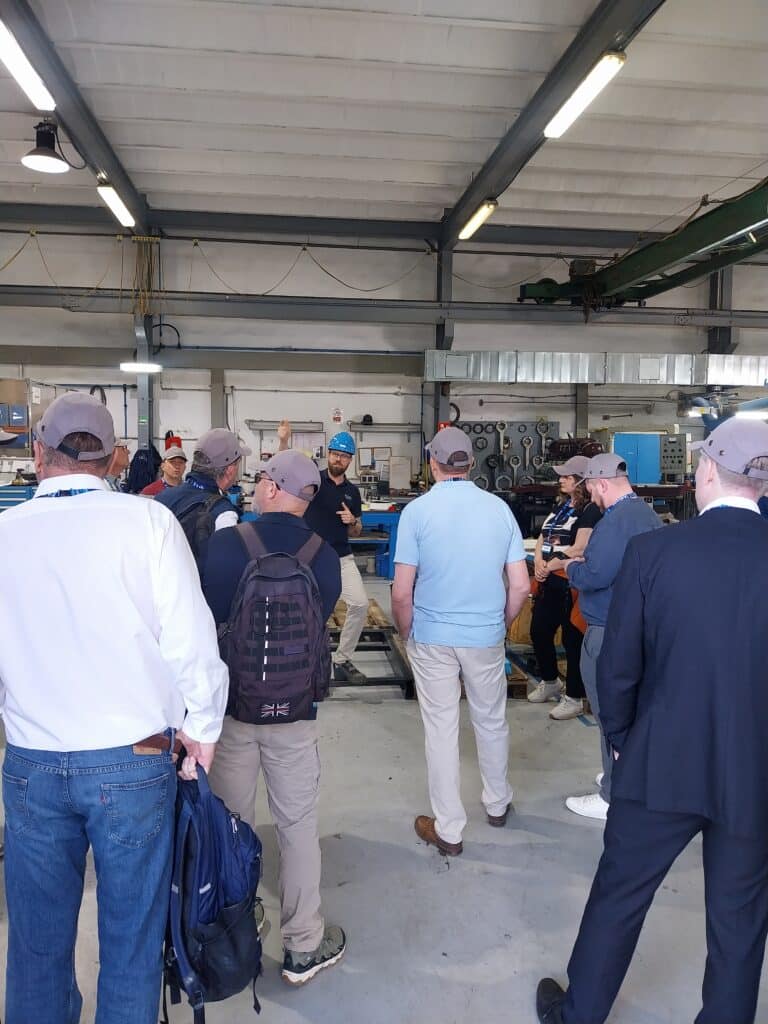
We extend our sincere appreciation to IASST and the host Bluewater Training Centre for an exceptionally well – structured program. From shipyard visits and technical sessions to cultural and networking activities, the event provided a comprehensive and highly valuable professional experience.
Returning from this international gathering, we are motivated and further strengthened in our commitment to developing advanced educational processes that we have been building in Croatia for years, aligned with global best practice standards.
The seminar reaffirmed the critical importance of continuous investment in people, knowledge, and practical training. The discussions and outcomes further strengthen our direction – Maritime safety begins and ends with well-trained individuals who are prepared, confident, and capable of acting effectively in real-world situations. This represents the essence of a true safety culture at sea.
Find more about IASST seminar program